Tourist Attractions
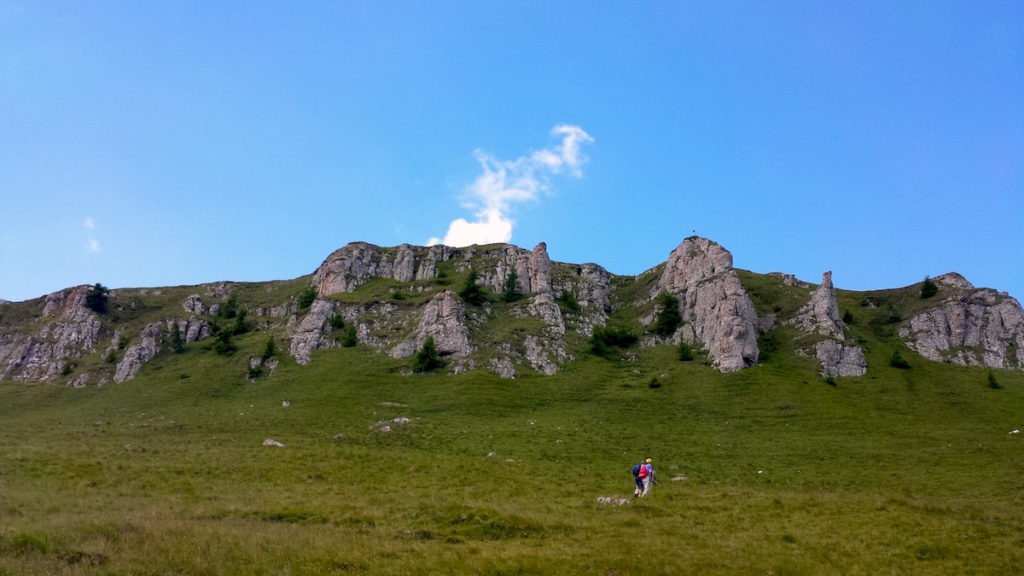
From Satul Prunilor, you can easily reach the area’s tourist attractions. Hike up to Omu Peak, the Sphinx, or Babele; explore caves; visit historic churches; and take part in the Pietroșița Village Festival on July 21.
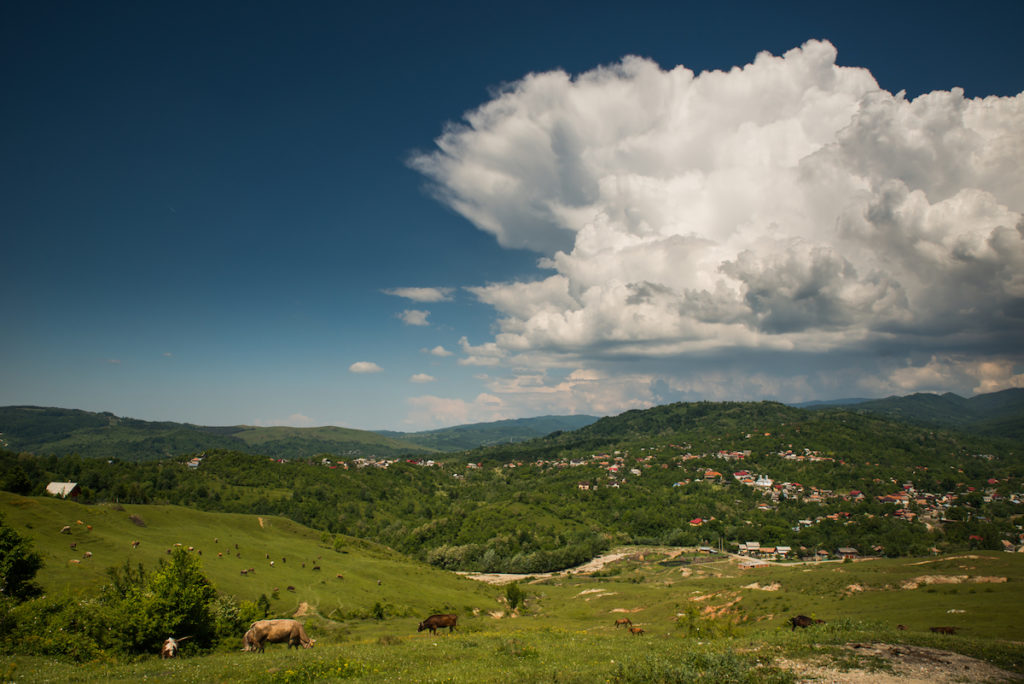
Pietroșița Village
The village of Pietroșița is home to the largest museum of ethnography and folklore in Dâmbovița County. Professor Dumitru Ulieru’s collection has now become a place of pilgrimage for lovers of Romanian traditions. The rooms of the house—an architectural monument built in 1870 and originally owned by Ghita Șerban Popescu—have been decorated exactly as they were in the past. The museum also features peasant interiors and brings together both objects collected by Dumitru Ulieru and exhibits specific to the region, drawn from the collection of the “Curtea Domnească” National Museum Complex in Târgoviște.
Babele & Sfinx
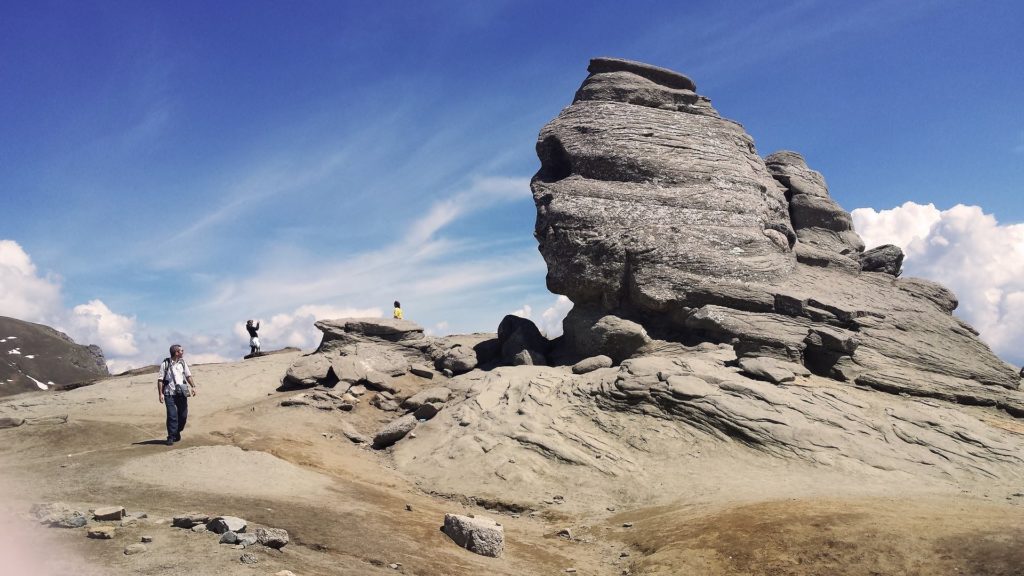
Babele is a rock formation located on the Bucegi Plateau, in the southern Carpathians. It is one of Romania’s most popular tourist destinations, named for the mushroom-like appearance of the rocks, which is the result of erosion and the hardness of the rock layers. You can reach Babele by taking the cable car from Bușteni or by driving along the road. If you’d like to go hiking, you can ascend through the Jepilor Valley or follow the ridge line from Piatra Arsă. In the same area is the Sphinx, another major tourist attraction, whose name comes from the appearance of the rocks. The Sphinx is a rock formation in the Bucegi Mountains, located 10 minutes from Babele. Standing 8 meters tall and 12 meters wide, the Sphinx-like shape is visible only from a certain angle. At sunset on November 21, the Sphinx’s outline is most clearly defined.
Peleș Castle
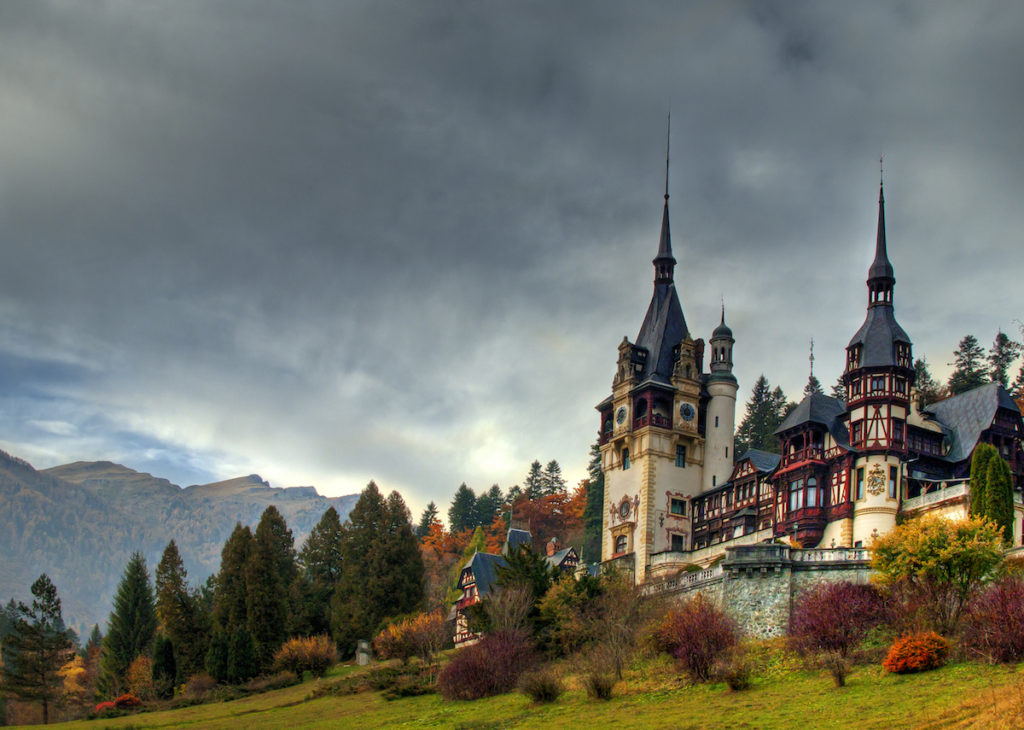
Peleș Castle is one of the most beautiful castles in Europe. On a guided tour, you’ll discover surprising stories—from the early air-conditioning system to the time of its construction, when Peleș Castle was the only one in Europe with an elevator. You’ll learn how the magnificent Venetian mirrors were transported by train to the castle, and gentlemen are sure to be delighted by the collection of weapons.
Bran Castle
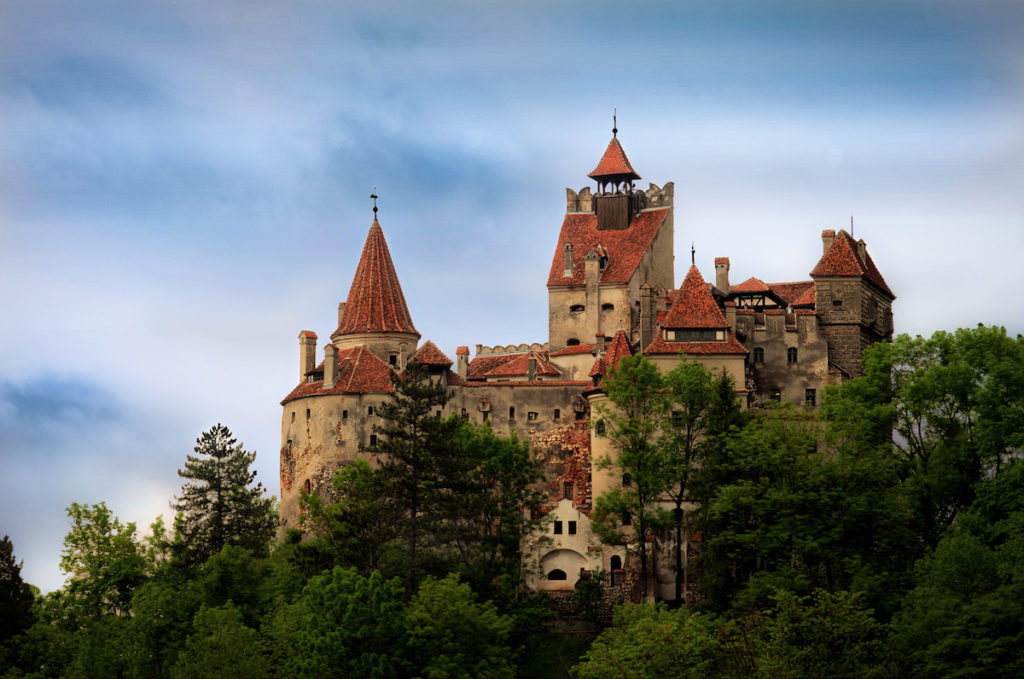
Located near the town of Bran and in the immediate vicinity of Brașov, Bran Castle is a national monument and a landmark of Romania. The fortress is situated on the border between Transylvania and Wallachia, along National Road 73. Known as Dracula’s Castle, it is recognized as the residence of the main character in Bram Stoker’s *Dracula*. The castle is now a museum open to visitors, featuring art and furniture collections that belonged to Queen Maria; it can be visited on your own or on guided tours. At the foot of the hill, there is also a small open-air museum featuring traditional peasant structures.
Ialomița Gorges
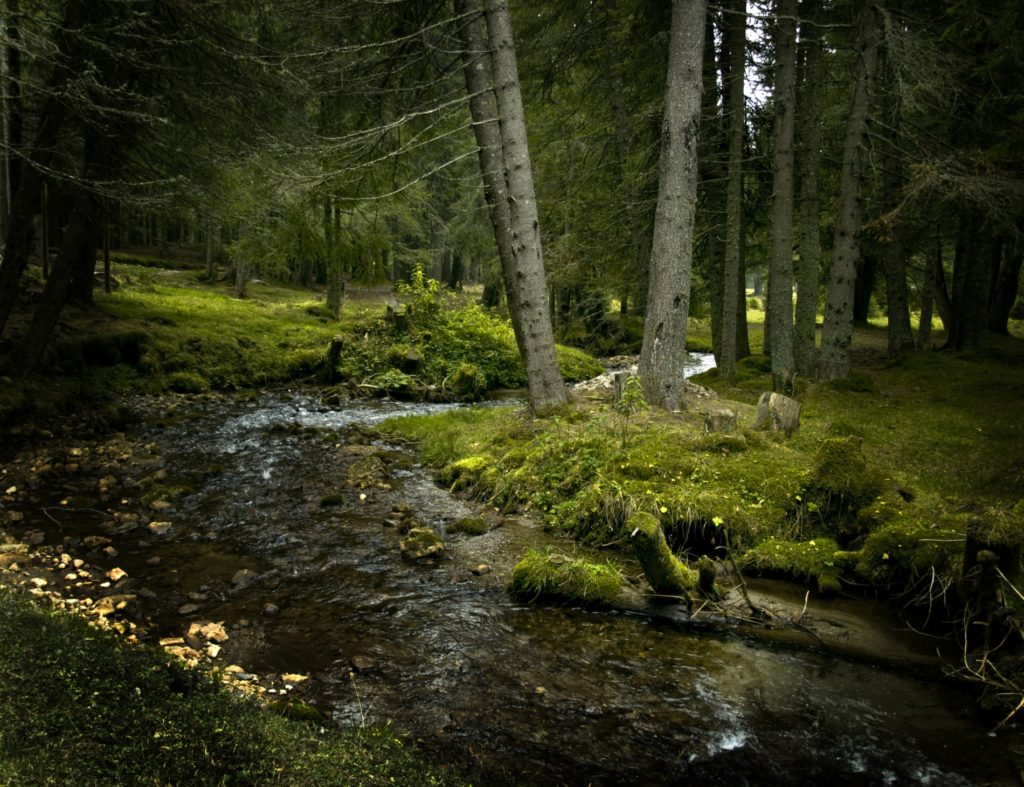
The Ialomița Gorges are one of the scenic highlights of the Bucegi Mountains. The mountain is carved by spectacular rock formations, and the gorges formed by the Ialomița River (Urșilor, Tătarului, and Zănoagei Caves) offer breathtaking scenery, featuring plants rare to this region. Of the caves in the Ialomița Valley, the best known is Ialomița Cave. Located at an altitude of 1,660 meters, the Gorges and Ialomița Cave are part of the Bucegi–Horoabei–Urșilor Nature Reserve.
Târgoviște
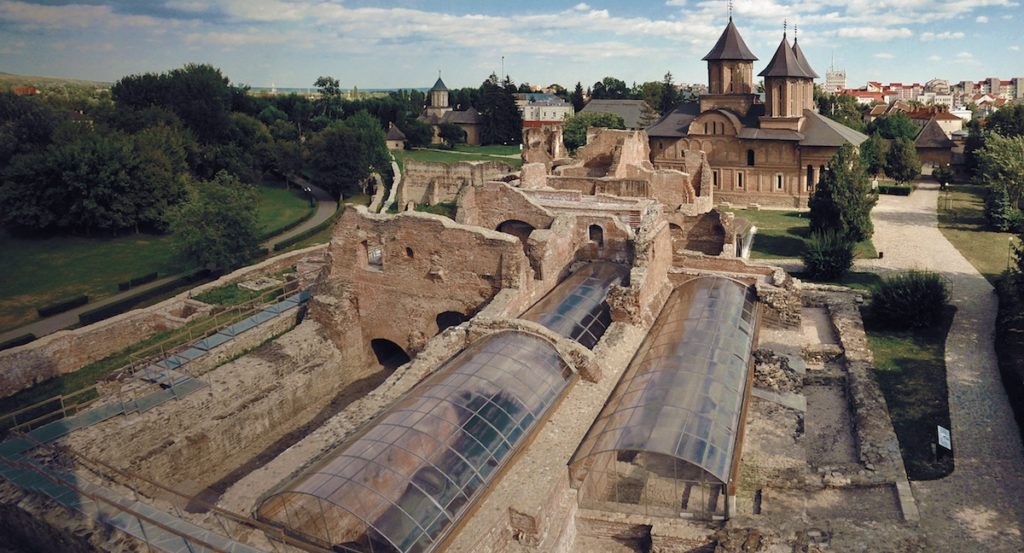
Known as the old capital, the city gained its fame as early as the 14th century, when the crusader knight Johann Schiltberger mentioned it in one of his travel journals. The city’s name is linked to many other historic turning points for Romania, including the much-discussed capture of Elena and Nicolae Ceaușescu in 1989. None of this has prevented the city from becoming an important cultural and economic center in Muntenia.
Vârful Peak
One of the most famous tourist destinations for hiking enthusiasts, Omu Peak ranks 11th among Romania’s highest mountain peaks. Located in the Bucegi Mountains, it is the highest point in the range. It stands at an altitude of 2,505 meters, so its grandeur and that of the Heroes’ Cross tower over the Pietrei Craiului ridge and can even be seen from the Prahova Valley.